We are looking for graduate students (Master's and Doctorate) and postgraduates who are interested in the research of environmental problems and occupational public health (including animal experiments).
・ Doctoral Course (4 years)
・ Master's Course (2 years)
1. Prevention of life-style related diseases 2. Health research on biological effects of environmental toxicants 3. The application of information science and technology to public health 4. Occupational health
The Aims of Public Health Research The primary differences between Public Health and clinical or basic medicine According to the World Health Organization, "Public Health is the science and art of preventing disease, prolonging life and promoting health through organised efforts of society." This is an important aspect of the philosophy of public health.
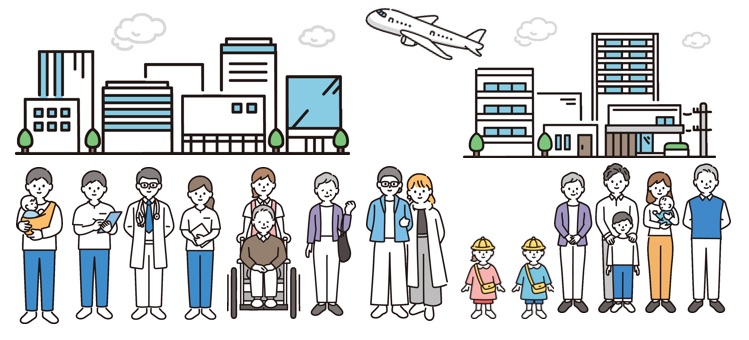
Characteristics of Public Health Differed from clinical practice, Public Health is characterized by its focus on the public. Just as clinical medicine is patient-oriented, Public Health is population- oriented, meaning that public health primarily considers social groups in which individuals live, while clinicians primarily focuses on individual patients. Population is not just a matter of number, but it targets specific social groups such as residents in a certain community, occupational workers, school children, and so forth. Epidemiology is related to this field since they focus on "population at risk."
Objectives of Public Health Looking at the history of medicine, the practice of curing disease initially developed and correspondingly a theory basic medicine was established. Eventually, as knowledge of diseases etiology accumulated, the prevention of disease became a focus and preventive medicine became an important role. However, in recent years medical research issues have been considered not only from the perspective of disease, but also from the perspective of human health, as the discipline of health science has become an important part of promoting health. The main goal of current public health study today is not to simply prevent disease, but to also maintain and promote people's health status and quality of life (QOL) by excluding detrimental environmental, behavioral, and social factors based on preventive medicine.